

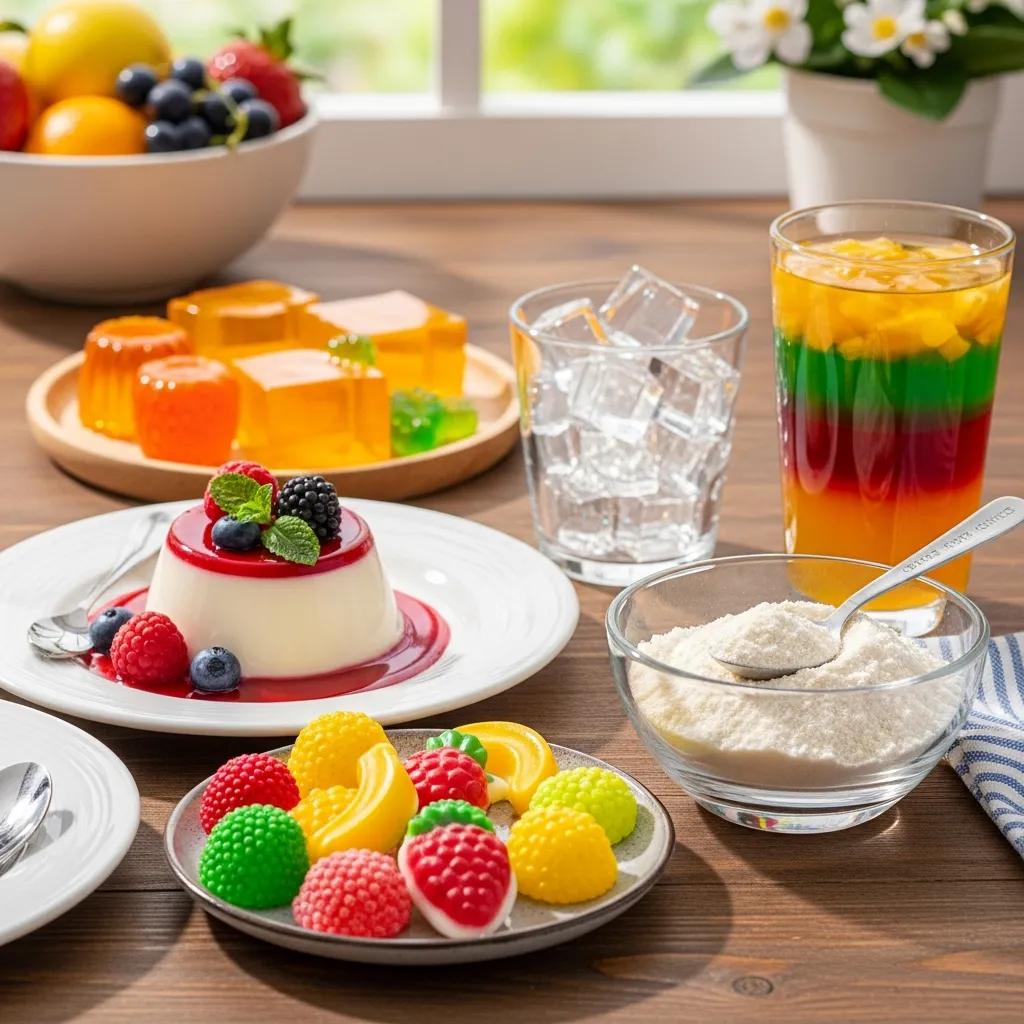
How to Use Gelatin Powder in Cooking and Baking: A Comprehensive Guide to Benefits and Techniques
Gelatin powder is a versatile ingredient that plays a crucial role in both cooking and baking, offering unique textures and health benefits. This comprehensive guide will explore how to effectively use gelatin powder, its various benefits, and techniques for incorporation into your favourite recipes. Many home cooks and bakers struggle with achieving the right consistency in their dishes, and gelatin powder provides a reliable solution. By understanding its properties and applications, you can elevate your culinary creations. This article will cover the benefits of gelatin, types of gelatin, techniques for incorporation, common uses, and tips for achieving desired textures.
Guide to Using Gelatin Powder in Cooking and Baking
Gelatin powder is derived from collagen, a protein found in animal connective tissues. It acts as a gelling agent, thickening and stabilising various dishes. Its ability to create a smooth, gel-like texture makes it a favourite among chefs and home cooks alike. Understanding how to use gelatin powder effectively can enhance your cooking and baking, allowing you to create everything from desserts to savoury dishes.
Benefits of Gelatin:
Gelatin offers numerous health benefits, making it a valuable addition to your diet. It is rich in amino acids and supports various bodily functions.
Health Benefits
Gelatin is known for its positive effects on joint health, skin elasticity, and digestive health. Regular consumption can help improve joint mobility and reduce discomfort, making it particularly beneficial for those with arthritis or joint pain. Additionally, gelatin promotes skin hydration and elasticity, contributing to a youthful appearance. Its role in digestive health is also significant, as it aids in the healing of the gut lining and supports overall gut function.
Nutritional Value
Gelatin is primarily composed of protein, containing essential amino acids that are vital for various bodily functions. It is low in calories and fat, making it an excellent addition to a balanced diet. The protein content in gelatin can help support muscle repair and growth, making it a popular choice among athletes and health-conscious individuals.
Types of Gelatin:

There are several types of gelatin available, each with unique properties and uses in cooking and baking.
Powdered Gelatin
Powdered gelatin is the most common form used in home kitchens. It is easy to measure and dissolve, making it versatile for various recipes. To use powdered gelatin, it must be bloomed in cold water before being dissolved in hot liquid. This process ensures even distribution and prevents clumping.
Sheet Gelatin
Sheet gelatin, also known as leaf gelatin, is preferred in professional kitchens for its precision in texture. It is soaked in cold water until soft, then squeezed to remove excess water before being added to warm mixtures. This form of gelatin provides a clearer finish in dishes like panna cotta and is often used in high-end desserts.
Agar-Agar
Agar-agar is a plant-based alternative to gelatin, derived from seaweed. It is suitable for vegans and vegetarians and has similar gelling properties. Agar-agar can be used in a variety of recipes, but it requires different handling compared to animal-based gelatin, as it sets at a higher temperature.
Techniques for Incorporation:

Incorporating gelatin into your recipes requires specific techniques to achieve the best results.
Blooming
Blooming is the process of hydrating gelatin before use. To bloom powdered gelatin, sprinkle it over cold water and let it sit for about 5-10 minutes until it swells. This step is crucial for ensuring that the gelatin dissolves evenly when heated.
Dissolving
Once bloomed, gelatin must be dissolved in a warm liquid. Avoid boiling the mixture, as high temperatures can break down the gelatin's gelling properties. Stir gently until fully dissolved, ensuring there are no lumps.
Mixing
When incorporating dissolved gelatin into a recipe, it is essential to mix it thoroughly to avoid clumps. Gradually add the gelatin mixture to the other ingredients while stirring continuously. This technique ensures an even distribution throughout the dish.
Common Uses in Cooking and Baking:
Gelatin is used in a variety of culinary applications, enhancing both sweet and savoury dishes.
Desserts
In desserts, gelatin is often used to create smooth, creamy textures. Popular recipes include panna cotta, marshmallows, and cheesecakes. The gelling properties of gelatin help these desserts maintain their shape while providing a delightful mouthfeel.
Savoury Dishes
Gelatin can also be incorporated into savoury dishes, such as thickening soups and stabilising sauces. It enhances the texture of gravies and can be used in aspics, where it helps to set meat and vegetable mixtures in a flavourful broth.
Snacks
Healthy snacks can also benefit from gelatin. Fruit snacks and gummy candies made with gelatin provide a chewy texture while offering nutritional benefits. These snacks can be a fun and healthy alternative to traditional sweets.
Tips for Achieving Desired Textures:
To achieve the perfect texture in your dishes, consider the following tips when using gelatin.
Adjusting Ratios
The amount of gelatin used can significantly affect the firmness of your dish. Increasing the gelatin ratio will result in a firmer texture, while decreasing it will yield a softer consistency. Experimenting with different ratios can help you find the perfect balance for your recipes.
Temperature Control
Temperature plays a crucial role in gelatin's effectiveness. Avoid excessive heat when dissolving gelatin, as it can compromise its gelling ability. Aim for a gentle warming process to maintain its properties.
Chilling Time
Allowing sufficient chilling time is essential for gelatin to set properly. Depending on the recipe, chilling times can vary, but generally, a few hours in the refrigerator will ensure that your dish achieves the desired texture.
Incorporating Gelatin into the Daily Diet:
Adding gelatin to your daily diet can be simple and beneficial.
Smoothies
Incorporating gelatin into smoothies is an excellent way to boost protein content and improve texture. Simply blend a tablespoon of bloomed gelatin into your favourite smoothie recipe for added nutrition.
Breakfast
Gelatin can enhance breakfast options like yoghurt and oatmeal. Mixing it into these foods can improve creaminess and provide additional health benefits.
Beverages
Using gelatin in beverages, such as herbal teas or shakes, can improve mouthfeel and stability. It can help create a thicker consistency, making your drinks more satisfying.


