


Health Benefits of Collagen Supplements for Joints and Skin: Comprehensive Guide to Collagen Peptides and Natural Sources
Collagen supplements have become popular for their potential to support joint and skin health. As the most abundant protein in the body, collagen plays a key role in maintaining the structure and strength of various tissues. This guide covers the benefits of collagen peptides, how they work, and easy ways to include them in your daily routine. Many people notice joint discomfort and skin changes as they get older, which has led to increased interest in collagen as a natural way to support overall wellness. Here, we’ll explain what collagen peptides are, their benefits for skin and joints, natural sources of collagen, and practical tips for adding these supplements to your lifestyle.
What Are Collagen Peptides?
Collagen peptides are small chains of amino acids derived from collagen, a protein that provides structure to skin, bones, tendons, and ligaments. They are produced through hydrolysis, a process that breaks collagen down into smaller, more easily absorbed molecules. This makes them more bioavailable, so your body can use them more effectively. Collagen peptides help support your body’s natural collagen production, which tends to decrease with age. Taking collagen peptides may help improve skin elasticity, reduce wrinkles, and support joint health.
Health Benefits of Collagen Peptides
Collagen peptides offer a variety of benefits, especially for skin and joint health. Understanding these can help you decide if collagen supplements are right for you.
For Skin Health

Collagen peptides may help with:
- Improved Skin Elasticity: Regular collagen supplementation can make skin appear firmer and more youthful.
- Reduction of Wrinkles: Collagen may help smooth fine lines and wrinkles for a more even complexion.
- Increased Hydration: Collagen supports skin hydration, which is important for a healthy, radiant look.
These benefits contribute to maintaining a youthful appearance as part of a balanced skincare routine.
For Joint Health
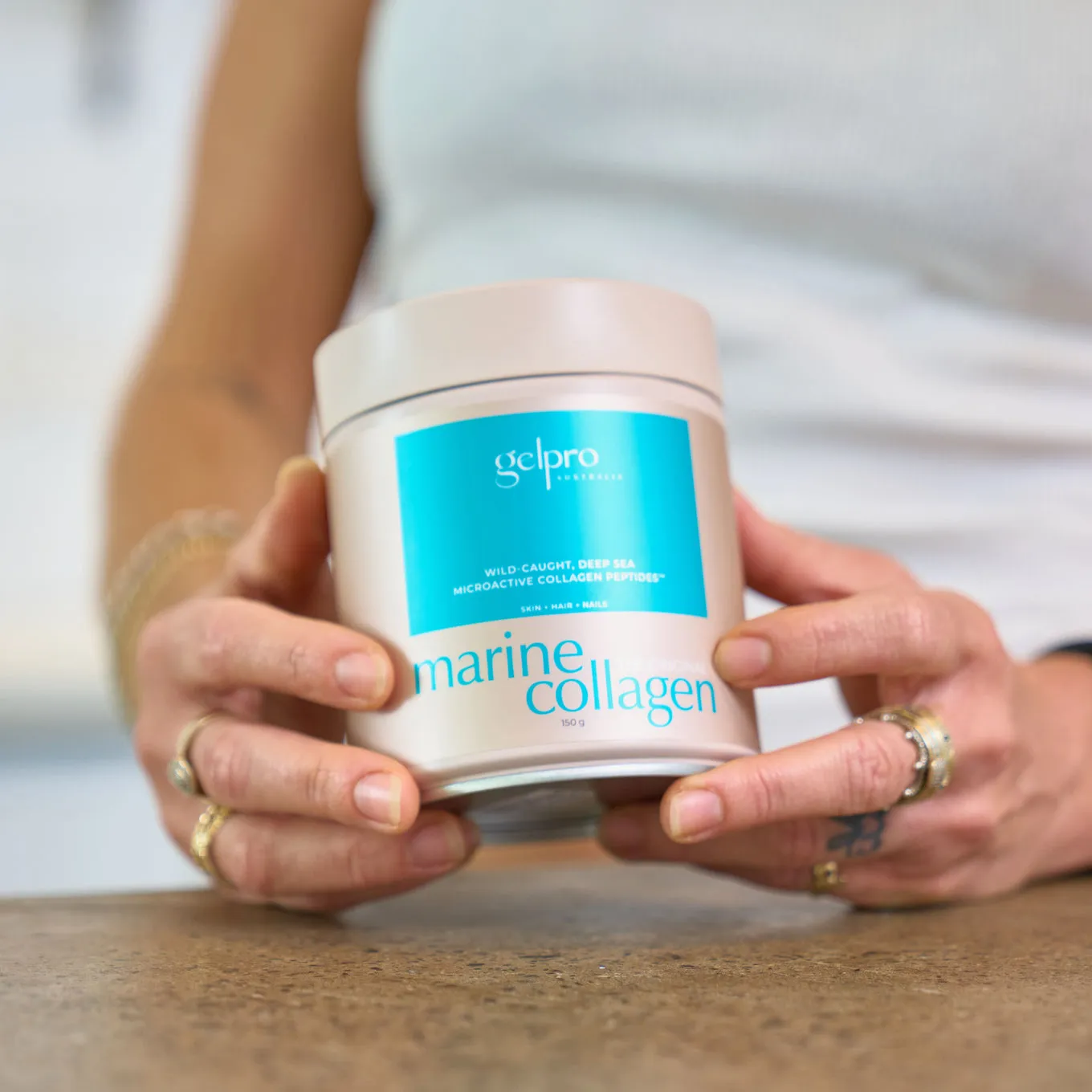
Collagen peptides also support joint health by:
- Repairing Cartilage: They help with the repair and regeneration of cartilage, which is essential for joint function and movement.
- Reducing Joint Discomfort: Many people find relief from joint pain and stiffness when including collagen peptides in their diet.
- Improving Mobility: Supporting joint health can enhance flexibility and overall mobility, helping you stay active.
These effects make collagen peptides a natural option to support joint comfort and function.
Natural Sources of Collagen
Besides supplements, collagen can be found in various natural foods that either contain collagen or help your body produce it:
- Bone Broth: Made by simmering animal bones, it’s rich in collagen and other nutrients.
- Fish: Marine collagen from fish skin and scales is known for its high absorption and benefits for skin and joints.
- Chicken: Chicken skin and cartilage provide important amino acids for collagen production.
How to Incorporate Collagen Supplements
Adding collagen supplements to your daily routine is simple and can be tailored to your preferences:
- Choose Your Preferred Form: Collagen comes in powders, capsules, and liquids—pick what suits your lifestyle best.
- Be Consistent: Taking collagen regularly, ideally daily, helps support ongoing collagen production.
- Combine with Vitamin C: Eating vitamin C-rich foods alongside collagen can boost its effectiveness, as vitamin C is important for collagen synthesis.
How Collagen Peptides Support Joint Health
Collagen peptides provide the building blocks needed for cartilage repair and regeneration. They encourage your body to produce more collagen in the joints, helping maintain their structure and function. This can be especially helpful if you experience joint stiffness or discomfort, potentially improving your mobility and comfort.
Understanding Hydrolysed Collagen and Joint Flexibility
Hydrolysed collagen, also called collagen peptides, is processed to improve absorption. These smaller peptides are easier for your body to use. By supporting collagen production in joints, hydrolysed collagen may help improve joint flexibility and overall function.
Collagen Supplements and Skin Appearance
Collagen supplements provide amino acids that support your body’s collagen production. As collagen levels increase, skin becomes more resilient, reducing sagging and wrinkles. Collagen also helps improve skin hydration, contributing to a youthful and vibrant complexion.
Types of Collagen Beneficial for Skin Health
Different types of collagen serve various roles in the body. The main types important for skin health include:
- Type I Collagen: The most common type, found in skin, tendons, and bones, essential for skin structure and elasticity.
- Type II Collagen: Mainly found in cartilage, supporting joint health and flexibility.
- Type III Collagen: Often found alongside Type I, it helps with skin elasticity and firmness.
Choosing the Best Collagen Supplements for Joints and Skin
When selecting collagen supplements, consider these options:
- Hydrolysed Collagen: Known for easy absorption and joint support.
- Marine Collagen: Sourced from fish, it’s highly bioavailable and great for skin health.
- Wholefood Sources: Natural options like bone broth and chicken complement supplementation.
Comparing Collagen Types and Sources
| Collagen Type | Source | Benefits | Absorption Rate |
|---|---|---|---|
| Hydrolyzed Collagen | Bovine or porcine | Quick absorption, joint support | High |
| Marine Collagen | Fish | Skin health, anti-aging | Very High |
| Wholefood Sources | Bone broth, chicken | Natural collagen boost | Moderate |
This overview helps you understand the benefits of each type so you can choose what fits your health goals.
Recommended Dosage and Absorption of Collagen Supplements
Typical collagen supplement dosages range from 2.5 to 15 grams per day, depending on your goals and the product. Collagen peptides are absorbed in the small intestine and then transported to tissues where they support collagen production and overall health.
Optimal Dosage for Joint and Skin Support
A daily dose of around 10 grams of collagen peptides is commonly suggested to support skin elasticity and joint function. This amount is practical for those wanting to enhance their well-being.
Considerations When Using Collagen Supplements
Collagen supplements are generally safe for most people. Some may experience mild digestive discomfort or allergic reactions, especially if sensitive to certain sources like fish or shellfish. It’s a good idea to check with a healthcare professional before starting any new supplement.
Interactions with Other Supplements and Medications
Collagen supplements usually work well alongside other dietary supplements and medications. However, consulting a healthcare provider is recommended to avoid any potential interactions, particularly if you take medication for chronic conditions.
Incorporating Natural Collagen Sources and Supplements Into Your Daily Routine
Here are some easy ways to include collagen in your day:
- Start Your Day with Bone Broth: Enjoy bone broth in the morning for a nourishing boost.
- Add Collagen Powder to Smoothies: Mix collagen powder into your favourite smoothies for convenience.
- Choose Collagen-Rich Snacks: Opt for snacks like collagen bars or protein shakes to increase intake.
These simple steps can help you enjoy the benefits of collagen for both skin and joint health.
For more information about collagen and related products, you might find "Gelatin Australia" a useful resource.
To explore the benefits of collagen further, consider visiting "Gelatin Australia" for detailed information.
If you're interested in purchasing collagen products, "Gelatin Australia" offers a variety of options to suit your needs.


