Marine Collagen vs Bovine Collagen: Which Is Right for You? Comprehensive Guide to Benefits, Sourcing, and Usage
Collagen is a vital protein that plays a crucial role in maintaining the health and structure of our skin, joints, and gut. As we age, our natural collagen production declines, leading to various health issues. This guide explores the differences between marine collagen and bovine collagen, two popular sources of this essential protein. You'll learn about the benefits, sourcing practices, and how to use both types of collagen. Understanding these aspects can help you make informed choices based on your health goals and dietary preferences. We’ll cover the benefits of each type, how they are sourced, recommended usage, and their environmental impact.
Comprehensive Guide on Marine Collagen vs. Bovine Collagen
Marine collagen comes from fish, mainly the skin and scales, while bovine collagen is sourced from cows, specifically their skin, bones, and cartilage. Both types contain collagen types I and III, which are important for skin elasticity and joint health. However, they differ in their amino acid profiles, absorption rates, and specific health benefits. Marine collagen is often praised for its superior absorption due to sits maller peptide size, making it popular for skin health. Bovine collagen is known for supporting joint health and muscle recovery.
Benefits:
Marine Collagen:
Marine collagen offers several unique benefits, especially for skin health. It is rich in Type I collagen, the most abundant collagen type in the human body, crucial for maintaining skin elasticity and hydration. Many find marine collagen helps improve skin elasticity, reduce wrinkles, and promote overall skin hydration. Its smaller peptide size allows for better absorption, making it an effective option for enhancing your skin's appearance.
Collagen peptides are widely recognised for their role in supporting skin health and helping to reduce signs of ageing.
Bovine Collagen:
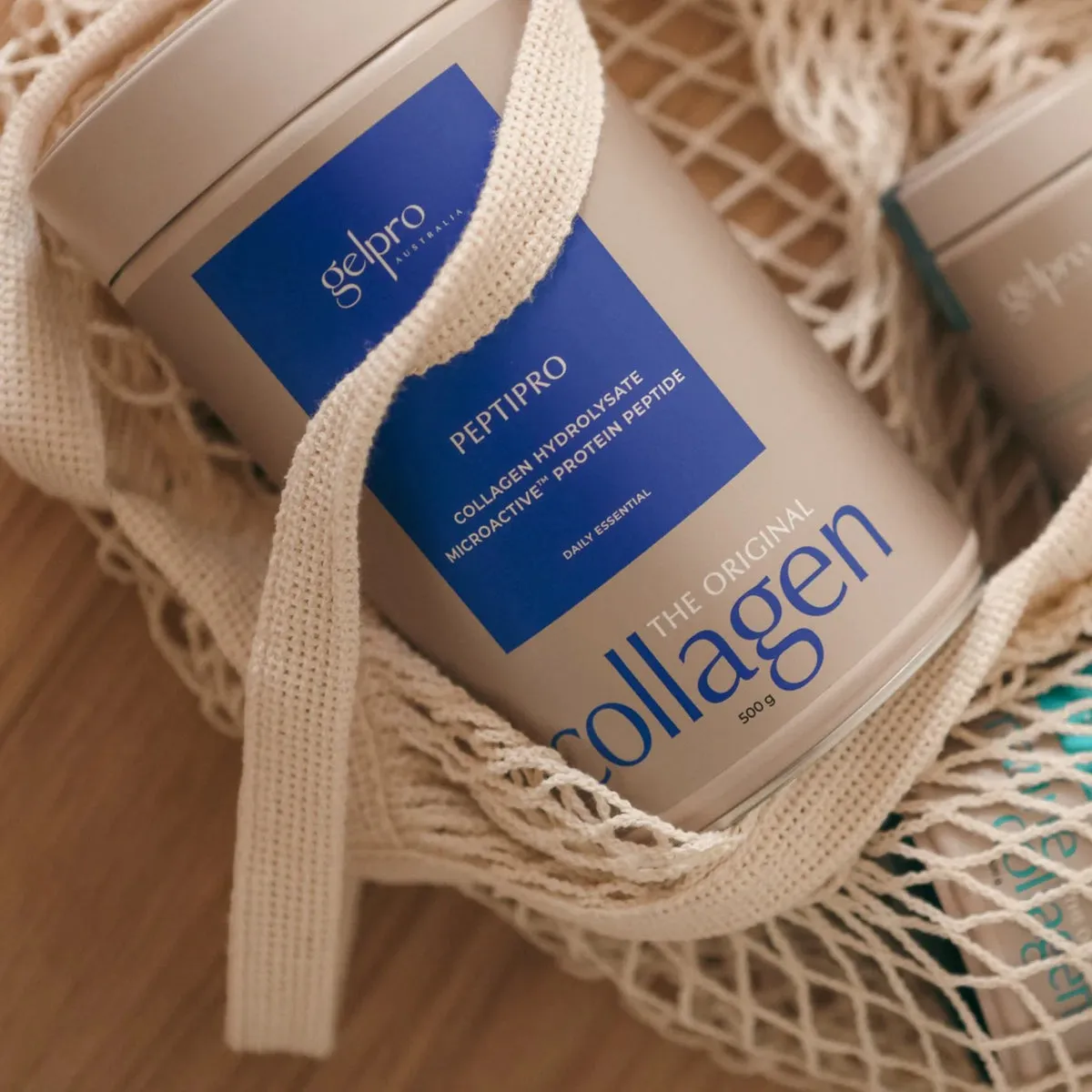
Bovine collagen is especially beneficial for joint health and muscle recovery. It contains both Type I and Type III collagen, essential for maintaining cartilage and connective tissue integrity. Many find bovine collagen helps ease joint discomfort, improve mobility, and support muscle recovery after exercise. This makes it a great choice for athletes and active individuals looking to enhance joint function and physical performance.
Sourcing:
Marine Collagen:
Marine collagen is usually sourced from wild-caught fish, which are considered more sustainable than farmed fish. Sustainable fishing practices help ensure marine collagen production doesn’t harm marine ecosystems. Companies that focus on sustainability follow guidelines to minimise environmental impact, making marine collagen a more eco-friendly option.
Bovine Collagen:
Bovine collagen comes from cattle, and quality varies depending on farming practices. Grass-fed cattle are often preferred as they tend to produce higher quality collagen. However, higher-quality products have environmental impacts like deforestation and greenhouse gas emissions. Choosing bovine collagen from reputable sources that prioritise ethical farming can help reduce these concerns.
There’s growing interest in grass-finished beef due to its nutritional profile and environmental considerations.
Usage:
Recommended Dosage:
Dosage for collagen supplements varies based on your health goals and the collagen type. For marine collagen, typical doses range from 5 to 15 grams per day, with similar amounts recommended for bovine collagen. It’s a good idea to chat with a healthcare professional to find the right dosage for you.
How to Incorporate:
Adding collagen to your daily routine is easy and enjoyable. Marine collagen powder mixes well into smoothies, coffee, or baked goods, while bovine collagen can be added to soups, broths, or protein shakes. Many find that including collagen in their diet supports overall wellness and health goals.
Environmental Impact:
The environmental impact of collagen sourcing is important to consider. Marine collagen, when sourced sustainably, usually has a lower environmental footprint compared to bovine collagen. Sustainable fishing helps protect marine ecosystems, while ethical farming practices for bovine collagen can reduce the environmental effects of cattle farming. More consumers are aware of these issues, so choosing collagen products that focus on sustainability is a smart choice.
What Are the Key Differences Between Marine and Bovine Collagen?
The main differences between marine and bovine collagen are their sources, amino acid profiles, and health benefits. Marine collagen is often preferred for skin health due to its high Type I collagen content and better absorption. Bovine collagen is more effective for joint health and muscle recovery, making it a popular option for active people.
How Do Collagen Types I, II, and III Vary Between Marine and Bovine Sources?
Marine collagen mainly contains Type I collagen, important for skin health, while bovine collagen includes both Type I and Type III collagen, which support skin and joint health. Type II collagen, mostly linked to cartilage health, isn’t found in significant amounts in either source. Knowing these differences can help you pick the right collagen for your needs.
What Are the Amino Acid Profiles and Absorption Rates of Each Collagen Type?
Marine collagen has a unique amino acid profile with higher levels of glycine and proline, key for skin health. It's smaller peptides for better absorption, making it popular for skin benefits. Bovine collagen also works well, but may absorb a little slower due to larger peptides. However, it offers a wider range of amino acids that support joints and muscles.
How Do Marine and Bovine Collagen Support Skin, Joint, and Gut Health?
Both marine and bovine collagen support skin, joint, and gut health, but in different ways. Marine collagen is great for skin hydration and elasticity, while bovine collagen excels at supporting joint function and muscle recovery. Both types also help maintain the gut lining, making them valuable for digestive health.
What Skin Benefits Does Marine Collagen Provide Compared to Bovine Collagen?
Marine collagen is well-known for improving skin elasticity, hydration, and reducing wrinkles thanks to its high Type I collagen content. Bovine collagen also benefits skin, but is more recognised for joint and muscle support. So, if skin health is your main focus, marine collagen might be the better choice.
How Do Both Collagen Types Promote Joint and Gut Health Effectively?
Both marine and bovine collagen support joint and gut health through their amino acids and collagen types. Marine collagen provides building blocks for cartilage, while bovine collagen helps maintain joint integrity and function. Both also support the gut lining, which is helpful for digestive wellbeing.
What Are the Sustainability and Sourcing Practices Behind Marine and Bovine Collagen?
Sustainability is key when it comes to collagen sourcing. Marine collagen from wild-caught fish follows sustainable fishing practices, while bovine collagen from grass-fed cattle can lower the environmental impact of cattle farming. Choosing collagen products that focus on ethical sourcing and sustainability supports environmentally friendly practices.
How Does Australian Sourcing Ensure Purity and Sustainability for Marine Collagen?
Australian marine collagen is often seen as high quality due to strict regulations and sustainable fishing. Using wild-caught fish helps ensure the collagen is free from harmful additives and contaminants, making it a safe choice. Australian companies also tend to prioritise environmental sustainability, adding to the purity of their products.
What Quality Standards and Grass-Fed Practices Define Australian Bovine Collagen?
Australian bovine collagen usually comes from grass-fed cattle raised under strict quality standards. These practices help ensure the collagen is high quality and free from harmful substances. Grass-fed cattle are generally healthier and produce collagen with a better amino acid profile, making Australian bovine collagen a popular option for joint and muscle support.
How Should You Choose and Use the Best Collagen Supplement in Australia?
Choosing the right collagen supplement means thinking about sourcing, type, and your health goals. Look for products that highlight sustainable sourcing and quality ingredients. It’s also helpful to talk with a healthcare professional to find the best dosage and form of collagen for you.
What Factors Determine the Right Collagen Supplement for Your Health Goals?
When picking a collagen supplement, consider your health goals, dietary needs, and any allergies. Marine collagen suits those focused on skin health, while bovine collagen is better for joint support. Knowing these factors helps you make a choice that fits your lifestyle.
What Are the Recommended Dosages and Usage Guidelines for Marine and Bovine Collagen?
Typical collagen supplement dosages range from 5 to 15 grams per day, depending on your goals. Follow the product guidelines and consult a healthcare professional to find what works best for you. Collagen can be easily added to your daily routine through various foods and drinks.
What Does Gelpro Australia Offer in Marine and Bovine Collagen Products?
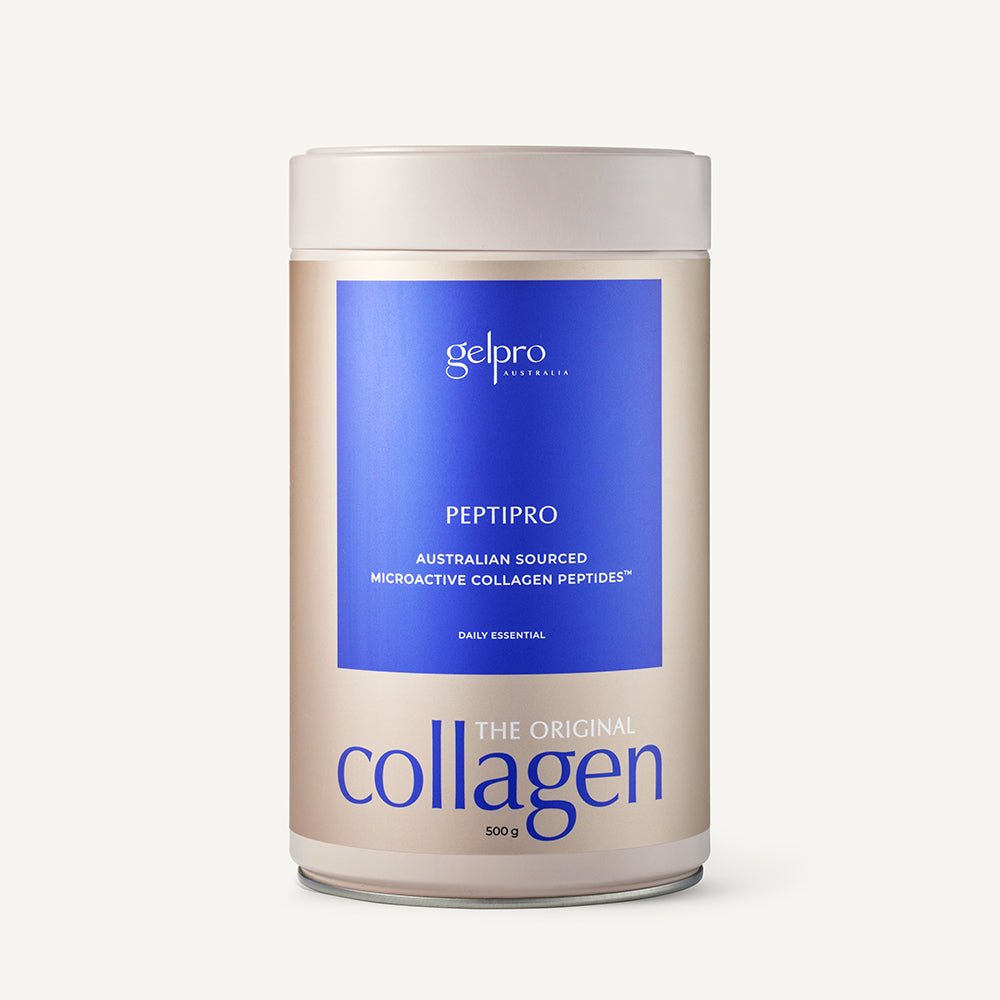
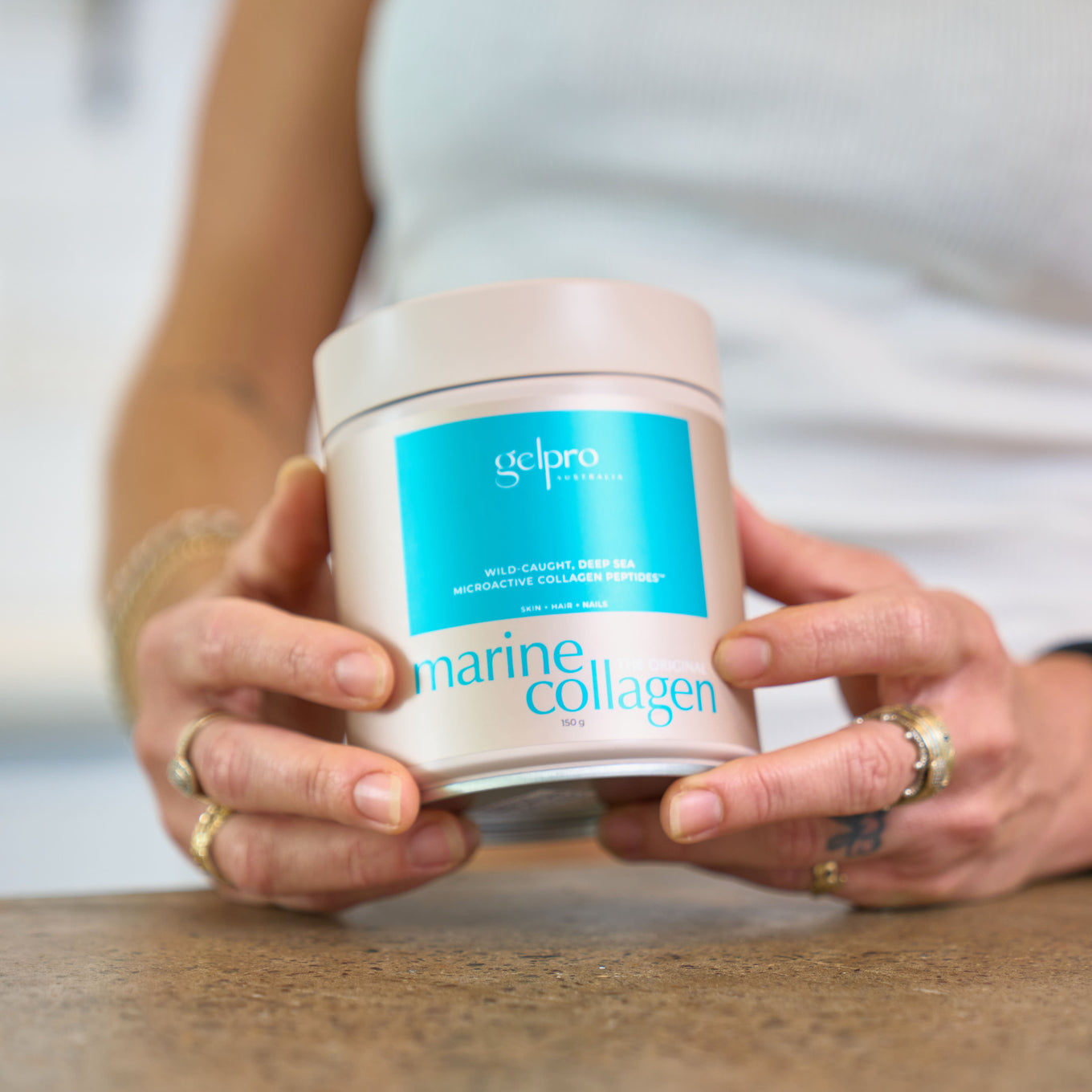
Gelpro Australia specialises in premium collagen and wholefood supplements made with Australian-sourced, clean ingredients. Their marine collagen products support skin health, while their bovine collagen range is designed for joint and muscle recovery. By focusing on quality and sustainability, Gelpro Australia offers products that align with your health and environmental values.
How Do Gelpro Australia's Products Reflect Premium Quality and Scientific Backing?
Gelpro Australia's collagen products are carefully formulated to provide great benefits. Their commitment to high-quality, sustainably sourced ingredients means you get effective supplements that support your health goals. With strict quality standards, Gelpro Australia is a trusted name in collagen supplements.
What Are the Serving Suggestions and Customer Testimonials for Gelpro Collagen Powders?
Gelpro collagen powders mix easily into smoothies, soups, and baked goods. Customers often share positive feedback about improved skin elasticity and joint health after using Gelpro’s collagen products. These experiences show how their formulations can help you feel your best and support overall wellness.