Understanding Collagen Types 1, 2 and 3: Which Do You Need?
Collagen is a vital protein that plays a crucial role in maintaining the structure and integrity of various tissues in the body. With different types of collagen serving unique functions, understanding the distinctions between Types 1, 2, and 3 is essential for making informed health decisions. This article explores the biological roles of these collagen types, their benefits, and how they can support skin, joint, and gut health. Many people look to enhance their wellness through collagen supplementation, but knowing which type to choose can be confusing. We’ll guide you through the best uses of each collagen type, their specific benefits, and how to include them in your daily routine. Plus, we’ll highlight the importance of choosing high-quality collagen supplements, especially those that are Australian-sourced, to ensure you get the best results.
Collagen Types Overview:
Collagen is the most abundant protein in the human body, providing structure and support to skin, bones, tendons, and ligaments. There are many types of collagen, but Types 1, 2, and 3 are the most common and well-known. Each type has unique properties and functions that support different health needs.
Type I Collagen
Type I collagen is the most plentiful, making up about 90% of the collagen in the body. It’s mainly found in skin, tendons, bones, and ligaments, giving them strength and structure. This type is key for keeping skin elastic and hydrated, which helps maintain a youthful look. It also supports bone density, helping to keep bones strong. You can find Type I collagen in bovine and marine collagen supplements, which are popular for their effectiveness in promoting skin and bone health.
Type II Collagen
Type II collagen is mostly found in cartilage, making it essential for healthy joints. It cushions joints and helps them move smoothly. This type is especially helpful for those experiencing joint discomfort or conditions like osteoarthritis. Type II collagen is often sourced from chicken cartilage and is available in supplement forms like hydrolysed collagen or collagen peptides, which are easier for the body to absorb.
Type III Collagen
Type III collagen is usually found alongside Type I collagen, especially in the skin, blood vessels, and internal organs. It helps maintain the structure and elasticity of these tissues. Type III collagen supports skin health by improving firmness and elasticity, contributing to a youthful appearance. It also strengthens blood vessel walls, supporting vascular health. Sources include bovine collagen and some marine collagen products, which can benefit overall skin and vascular support.
Optimal Uses:
Knowing how to use each collagen type can help you tailor your supplementation to your health goals. Here are some common uses:
- Skin Health: Types I and III collagen are great for improving skin elasticity and hydration, perfect for those wanting to enhance their complexion and reduce signs of ageing.
- Joint Health: Type II collagen supports joint comfort and mobility, ideal for those with joint concerns.
- Gut Health: Collagen also helps maintain the gut lining, supporting digestive wellness.
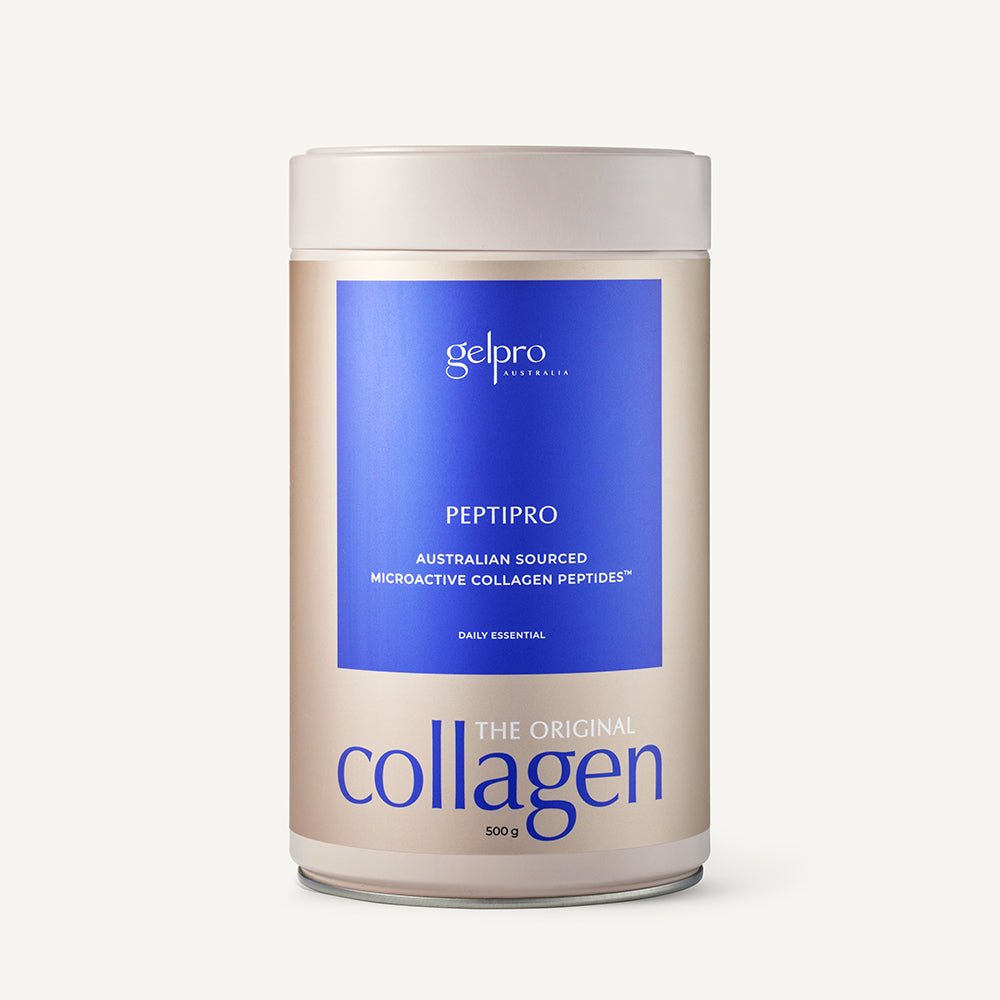
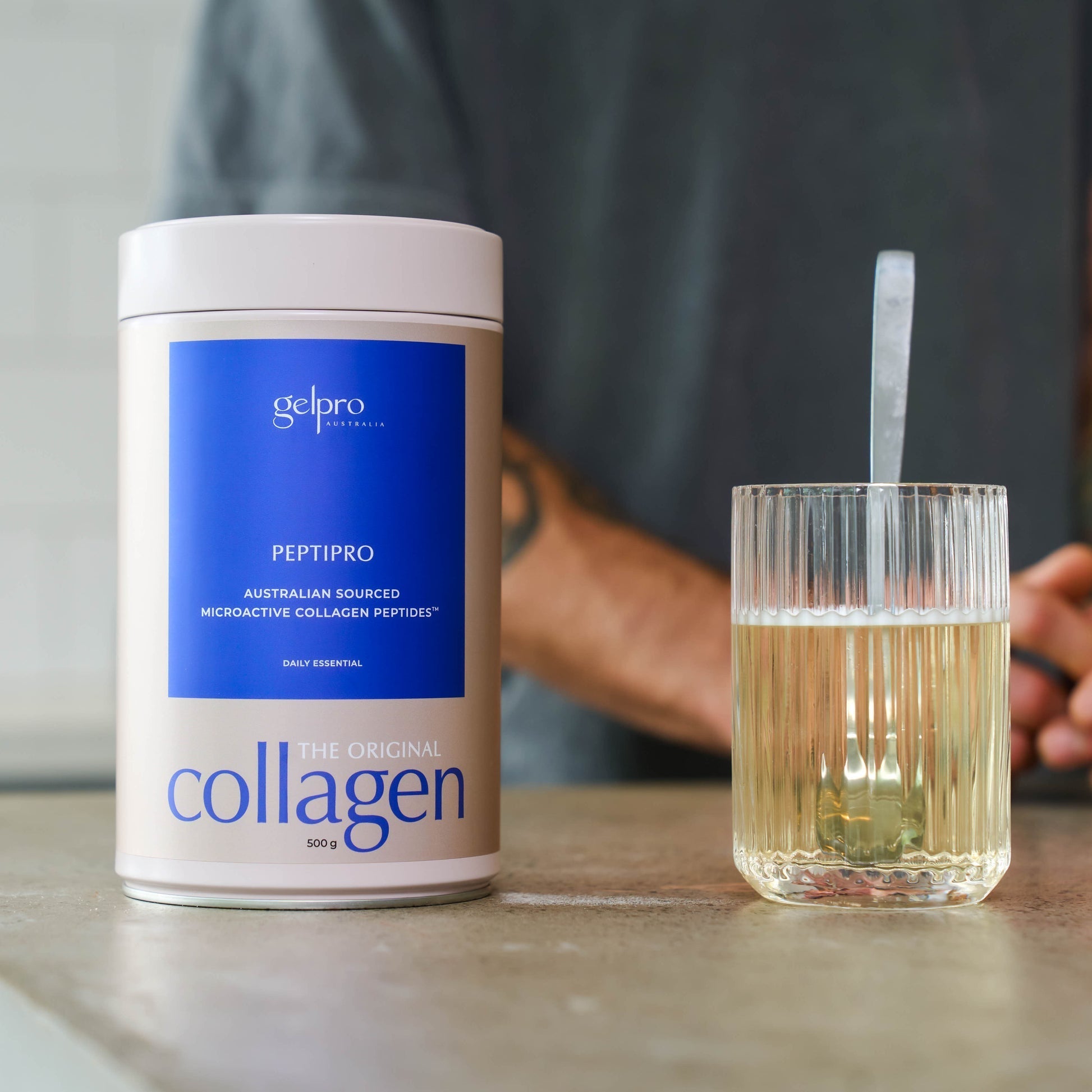
If you’re after quality collagen supplements, Gelpro Australia offers premium products made from Australian ingredients, ensuring purity and effectiveness.
What Are Collagen Types 1, 2, and 3 and Their Biological Roles?
Types 1, 2, and 3 collagen each play important roles in the body. Type I supports skin and bones, Type II is key for cartilage and joints, and Type III works with Type I to boost skin elasticity and blood vessel strength. Together, they help keep your body’s structure strong and healthy.
How Does Collagen Type 1 Support Skin Elasticity and Bone Strength?
Type 1 collagen provides the framework that keeps skin firm and elastic. It also forms the main structure of bones, helping to keep them dense and strong. Taking Type 1 collagen regularly can improve skin texture and reduce signs of ageing.
What Is the Role of Collagen Type 2 in Joint Cartilage Health?

Type 2 collagen is essential for healthy cartilage, which cushions joints and allows smooth movement. It supports joint structures and helps reduce wear and tear that can cause pain. Supplementing with Type 2 collagen can support joint comfort and mobility.
How Does Collagen Type 3 Enhance Skin Elasticity and Blood Vessel Health?

Type 3 collagen works with Type 1 to keep skin firm and elastic. It also strengthens blood vessel walls, supporting good circulation and cardiovascular health. This makes Type 3 collagen important for maintaining youthful skin and healthy blood vessels.
Why Is Collagen Type 3 Important for Skin and Vascular Support?
Type 3 collagen helps keep skin smooth and firm while ensuring blood vessels stay strong and flexible. This is great for anyone wanting to improve their skin’s appearance and support heart health.
How Do Types 1 and 3 Work Together for Skin Health?
Types 1 and 3 collagen complement each other to promote healthy skin. Type 1 provides structure, while Type 3 boosts elasticity and hydration. Together, they help reduce fine lines and wrinkles, supporting a youthful complexion. Regular use of both types can improve skin texture and overall health.
Which Collagen Peptides and Supplement Forms Are Best for Your Health Goals?
When choosing collagen supplements, consider the form and source. Hydrolysed collagen peptides are easy for the body to absorb and a great option. Marine collagen is often preferred for its purity. For joint support, Type II collagen from chicken cartilage is a good choice, while Types I and III are best for skin health.
What Are the Differences Between Types of Collagen Peptides?
The main differences between collagen types are their sources and benefits. Type I collagen comes from bovine and marine sources and supports skin and bones. Type II collagen, from chicken cartilage, is great for joints. Type III collagen, often found with Type I, supports skin and blood vessels. Knowing these differences helps you pick the right supplement for your needs.
How Do Australian-Sourced Collagen Supplements Ensure Quality and Purity?
Australian-sourced collagen supplements are known for their high quality and purity thanks to strict standards and careful sourcing. These products are tested to ensure they are clean and safe. Choosing Australian-sourced collagen means you can trust the quality and effectiveness of your supplements.
How Much Collagen Should You Take Daily for Skin, Joint, and Gut Benefits?
The amount of collagen you need daily depends on your health goals. Generally, 10-20 grams of collagen peptides per day is a good range for skin and joint support. Some people may find higher amounts helpful for specific needs. It’s best to chat with a healthcare professional to find what works for you.
What Are the Recommended Dosage Guidelines for Collagen Supplements?
Dosage usually ranges from 10 to 20 grams daily, depending on your goals. Lower doses may be enough for skin health, while joint support might require more. Always follow the product instructions and consider professional advice for personalised guidance.
Are There Any Side Effects or Safety Considerations?
Collagen supplements are generally safe when taken as recommended. Some people might experience mild digestive discomfort or allergic reactions, especially if sensitive to certain sources like fish or shellfish. It’s a good idea to check with a healthcare provider before starting any new supplement.
How Does Collagen Support Gut Health and Overall Wellness?
Collagen helps gut health by supporting the gut lining, which is important for digestion and nutrient absorption. It strengthens the intestinal barrier, which can reduce issues like leaky gut. The amino acids in collagen also support muscle health and overall wellness.
The idea of intestinal permeability, often called 'leaky gut,' is an important part of gut health that collagen can help with.
What Is the Connection Between Collagen and Gut Microbiome Health?
Collagen supports the gut microbiome by helping maintain a strong gut lining. A healthy gut lining encourages a balanced microbiome, which is key to overall health. Adding collagen to your diet can promote gut health and wellbeing.
Which Natural Foods Provide Collagen and How to Incorporate Them?
Several natural foods can help boost collagen in your body, including:
- Bone Broth: Packed with collagen and amino acids, bone broth is a natural collagen source.
- Chicken: Chicken skin and cartilage are rich in collagen and make a great addition to meals.
- Fish: Fish, especially with skin, provides collagen and omega-3 fatty acids that support skin health.
Including these foods in your diet can help support collagen production and overall health.
What Are the Common Questions About Collagen Types 1, 2, and 3?
Which Collagen Type Is Best for Skin Improvement?
Type I collagen is usually the best for skin improvement because it’s abundant in the skin and helps keep it elastic and hydrated. Taking Type I collagen can improve skin texture and appearance.
Can Collagen Help Relieve Joint Pain Effectively?
Yes, collagen—especially Type II—can help ease joint pain. Regular use may improve joint function and reduce discomfort for those with joint issues.