

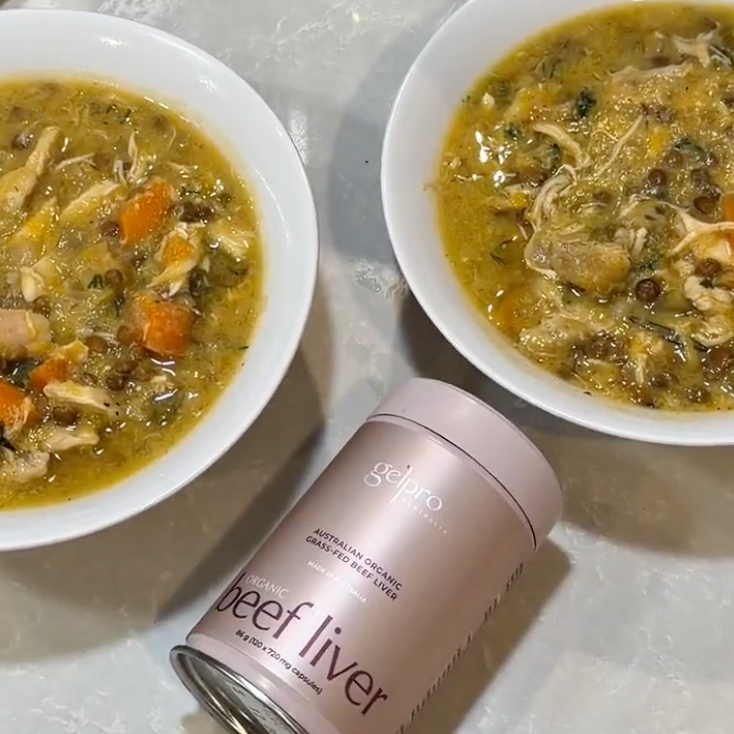
Liver Capsules Benefits: How Iron, B12, Vitamin A, and Choline Support Liver Health and Energy
By Gelpro Australia, Gelpro Australia
Liver capsules are a simple way to top up on some of the nutrients your body relies on every day for energy and everyday wellbeing. Iron, vitamin B12, vitamin A, and choline each play a different part in keeping your metabolism and liver ticking along nicely. If you've been feeling flat or low on energy, it's often down to a shortfall in one or more of these nutrients — and that's exactly the gap liver capsules are designed to help fill. In this article, we'll walk through what each nutrient does, why it matters, and how to use liver capsules sensibly as part of your routine.
What Are the Key Nutrients in Liver Capsules and Their Roles?
Liver capsules are typically valued for the nutrients they carry — nutrients your liver and your energy levels depend on. Here's a closer look at each one.
Iron:
Iron helps carry oxygen around your bloodstream via haemoglobin in your red blood cells. Good oxygen delivery keeps your cells — including your liver cells — fuelled and working properly, which is why low iron so often shows up as tiredness. You'll find iron in red meat, poultry, beans, and fortified cereals, though the iron from animal sources (heme iron) is generally absorbed more easily than the iron from plants (non-heme iron). Keeping your iron levels up is one of the simplest ways to guard against fatigue linked to iron-deficiency anaemia.
Vitamin B12:
Vitamin B12 helps your body form red blood cells and keeps your nervous system in good shape. It also plays a part in turning the carbohydrates you eat into usable energy. You'll mainly find it in animal foods like meat, eggs, and dairy, and a shortfall can lead to anaemia or nerve-related issues. Getting enough B12 supports steady energy levels and helps your liver keep up with everyday nutrient processing.
Vitamin A:
Vitamin A supports your liver by helping keep its cells healthy and backing up your immune system. It's involved in the liver's natural detox processes, so it's a nutrient your liver genuinely relies on. You'll find it in liver, carrots, and dark leafy greens. This fat-soluble vitamin also helps your body produce bile salts and build the proteins your liver needs to do its job well.
Choline:
Choline doesn't get talked about as much, but it's an essential nutrient for both liver and brain health. It helps your liver move fat out efficiently, which matters because a build-up of fat in the liver is linked to ongoing liver problems. You'll find choline in eggs, meat, and fish, and your body uses it to build the phospholipids that make up healthy cell membranes. Running low on choline over time is associated with liver strain, which is exactly why it's worth keeping an eye on your intake.
How Does Iron Contribute to Energy Metabolism and Liver Function?
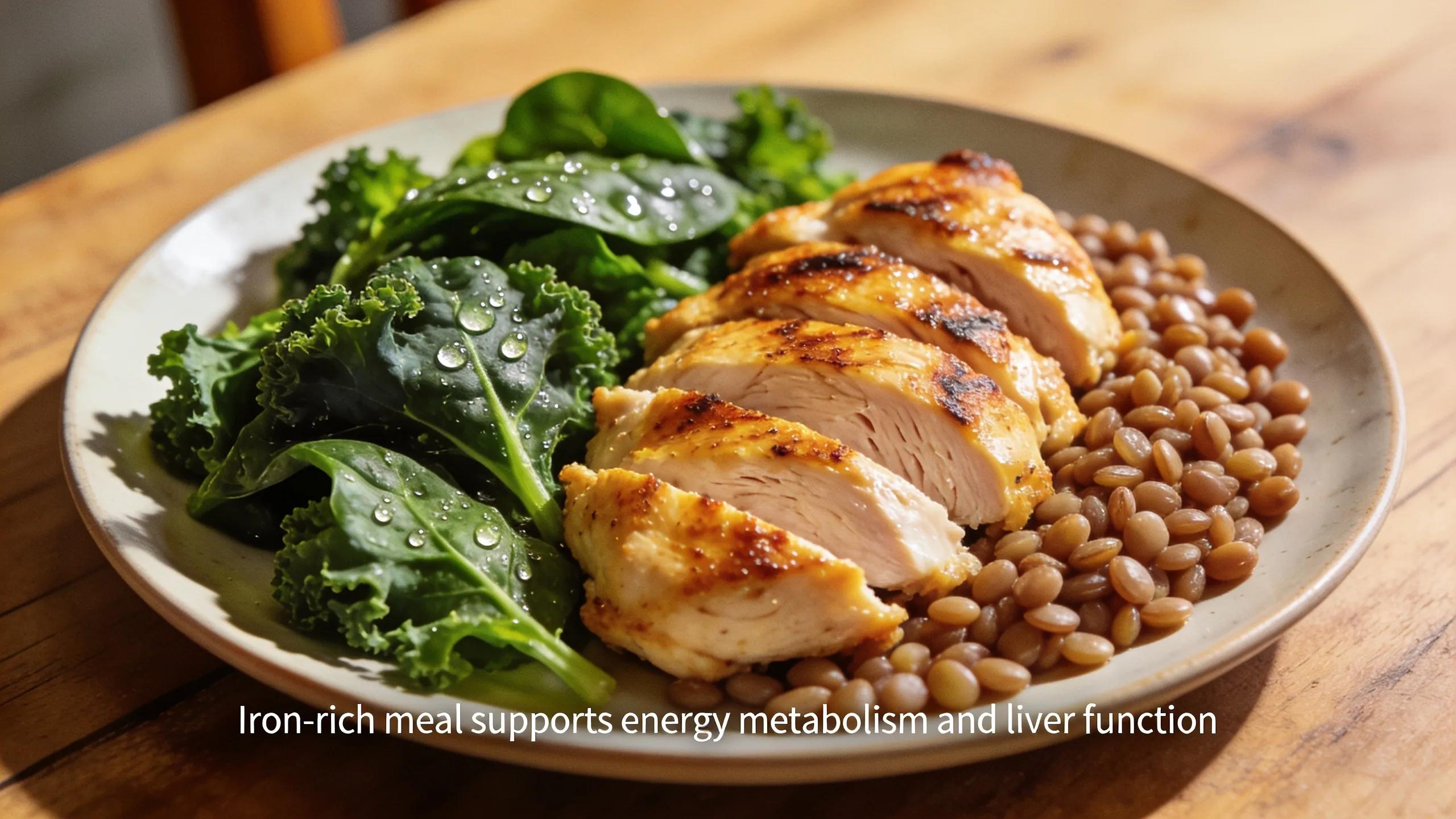
Iron is central to how your body makes and uses energy, and it does plenty for your liver too. It's a key building block of haemoglobin, which carries oxygen to every part of your body. When your cells — including your liver cells — get enough oxygen, they can go about their work efficiently. When iron runs low, tiredness and sluggishness usually follow, and your liver's day-to-day processes can slow down as well. Getting enough iron, whether through food or a supplement like liver capsules, is a straightforward way to support both your energy and your liver.
Why Is Vitamin B12 Important for Maintaining Healthy Liver Function?
Vitamin B12 matters for liver health because of the part it plays in forming red blood cells and helping your body process nutrients. It supports the conversion of fats and proteins into usable energy, which directly affects how well your liver handles the nutrients you take in. Falling short on B12 can lead to a build-up of homocysteine in the blood, which isn't great news for your liver over time. Keeping your B12 levels topped up — through food or a supplement — is a simple way to support both your energy and your liver's day-to-day performance.
What Role Does Vitamin A Play in Supporting Liver Health?
Vitamin A helps keep your liver cells healthy and gives your immune system a hand. It plays a part in your liver's natural detox work by supporting the proteins involved in that process, and it also brings some antioxidant benefits that help protect liver cells from everyday wear and tear. Keeping your vitamin A intake on track is a sensible, low-effort way to support your liver over the long run.
How Does Choline Support Fat Metabolism and Prevent Liver Disease?

Choline plays a key role in keeping your liver healthy by helping it move fat out efficiently. This matters because when fat isn't cleared properly, it can build up in the liver over time. Keeping your choline intake up is a practical way to support your liver and your broader metabolic health, and it's worth considering alongside your overall wellness routine.
What Are the Health Benefits of Liver Supplements with Iron, B12, Vitamin A, and Choline?
Liver supplements built around iron, B12, vitamin A, and choline can offer a genuinely well-rounded boost — better liver function, steadier energy, support for your body's natural detox processes, and improved absorption of nutrients from your diet. For anyone who might be falling short on these nutrients, or simply wants to give their liver some extra support, working these into your routine can be a worthwhile, low-effort habit.
How Do Liver Capsules Improve Energy Levels and Reduce Iron Deficiency Symptoms?
Liver capsules can be genuinely helpful for energy, largely thanks to their nutrient profile. The iron they provide helps ease the fatigue and weakness that often come with low iron, while the vitamin B12 supports your body's natural energy production. Many people notice a real lift in how they feel day-to-day once these nutrients are back on track.
In What Ways Does Vitamin B12 Enhance Liver Detoxification and Regeneration?
Vitamin B12 supports your liver's detox work by playing a part in the metabolic pathways that help process and clear toxins. It also supports the ongoing renewal of liver cells, helping your liver stay resilient. Keeping your B12 levels steady is a simple, practical way to support both detoxification and healthy liver renewal over time.
What Role Does Vitamin A Play in Supporting Ongoing Liver Health?
Vitamin A is a nutrient your liver leans on for cellular health and immune support. Keeping your intake at a healthy level can help support a calmer, better-functioning liver, and it's one of the easier nutrients to stay on top of through everyday food choices or a supplement.
How Does Choline Supplementation Help Support Liver Health Over Time?
Getting enough choline is closely tied to supporting your liver's ability to process fat properly and avoid the build-up that can lead to ongoing liver strain. Without enough choline, your liver has a harder time keeping fat moving through and out — so it's a nutrient worth paying attention to. Adding it through supplements or choline-rich foods is a simple, sensible way to support your liver and your metabolism more broadly.
What Are Sensible Dietary Sources for Iron, B12, Vitamin A, and Choline?
You can support healthy levels of these nutrients through a varied, balanced diet. Here are some of the best everyday sources:
|
Nutrient |
Recommended Sources |
|---|---|
|
Iron |
Red meat, poultry, beans, fortified cereals |
|
Vitamin B12 |
Meat, dairy products, eggs |
|
Vitamin A |
Liver, carrots, dark leafy greens |
|
Choline |
Eggs, fish, meat |
Recommended daily amounts for each nutrient can vary by age, sex, and life stage, and official guidance is reviewed and updated from time to time. Rather than relying on a fixed number, it's best to check current dietary guidelines or chat with your GP or a healthcare professional about what's right for you — and to use any supplement, including liver capsules, alongside a varied diet rather than in place of one.
Are There Any Safety Considerations When Taking Liver Capsules?
Liver capsules are generally well tolerated, but it's still worth taking a sensible approach to supplementation. Some people may notice mild digestive discomfort, and those with sensitivities could experience an allergic reaction. Taking in too much of certain nutrients — particularly vitamin A and iron — isn't ideal either, so more isn't automatically better. If you're managing a health condition or taking other medication, it's always worth having a chat with a healthcare professional before adding a new supplement to your routine.
What Should You Watch For With Iron, Vitamin A, B12, or Choline Intake?
As with most nutrients, more isn't always better. Too much iron can upset your stomach, and consistently overdoing it isn't good for your health long-term. Very high vitamin A intake can cause issues like nausea or headaches. B12 is generally well tolerated even at higher intakes, though some people may notice a reaction. Choline in large amounts has been linked to a fishy body odour and low blood pressure in some people. The simplest approach is to stick to sensible amounts rather than assuming that taking more will do more.
How to Sensibly Combine Iron, B12, Vitamin A, and Choline in Your Routine
If you're taking more than one of these nutrients together, it helps to be thoughtful about how you go about it. A healthcare provider can help you work out what fits your own needs. It's also worth knowing that some nutrients interact — pairing iron with vitamin C-rich foods can help your body absorb it better, while having calcium at a separate time can help avoid it getting in the way. A bit of planning goes a long way toward getting the most out of your routine while keeping things sensible.
How Can Liver Capsules Fit Into Your Everyday Liver Health Routine?
Liver capsules slot easily into a daily routine — most people find taking them with meals helps with absorption. Pairing them with a balanced diet, plenty of water, and regular movement gives your liver even more support. Sticking to a consistent routine, rather than taking them on and off, is what really helps your body get the most benefit over time.
What Are Some Simple Tips for Getting the Most Out of Liver Capsules?
Getting good results from liver capsules usually comes down to the basics: take them consistently, ideally with food, and pair them with a generally balanced diet rather than relying on them alone. Store them as directed to keep them in good condition, and keep an eye on how you're feeling as you go. And if you're ever unsure whether they're right for you — especially if you're pregnant, breastfeeding, or managing a health condition — it's always worth a quick chat with your healthcare professional first.


