

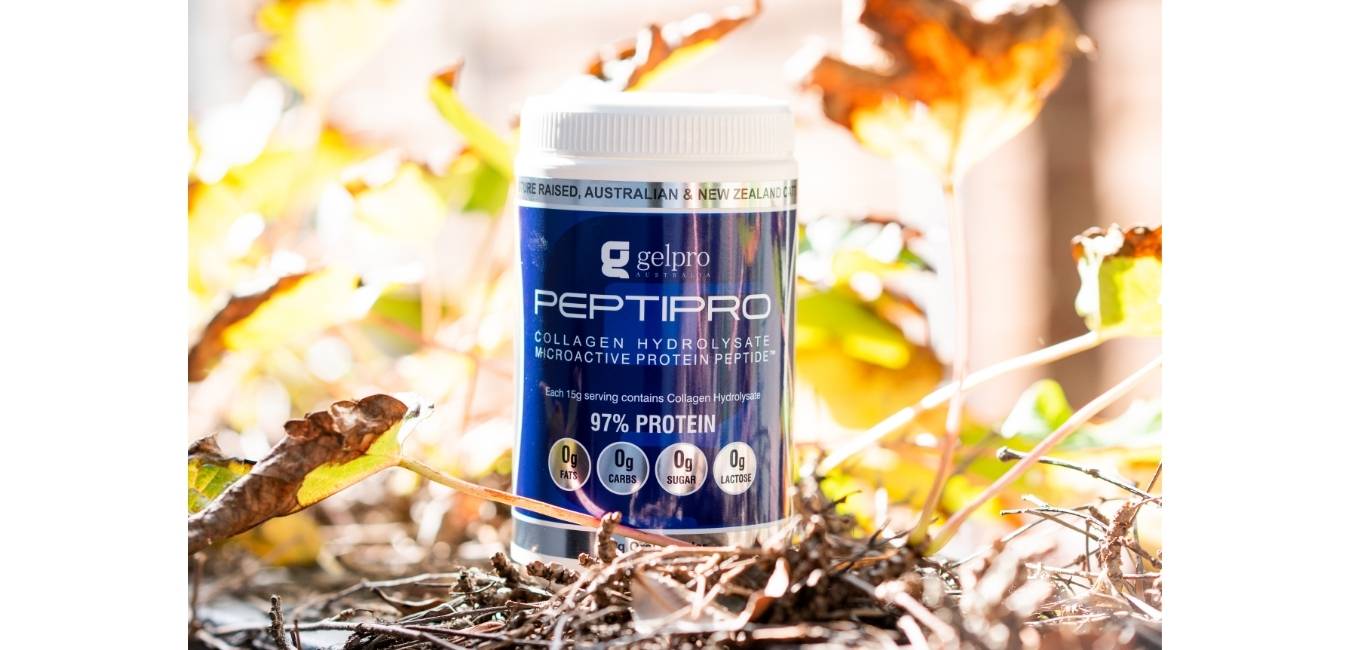
Collagen protein is a vital nutrient that plays a crucial role in maintaining the strength, beauty, and overall wellness of our bodies. As the most abundant protein in the human body, collagen provides structure to our skin, bones, muscles, and connective tissues. Understanding collagen's role can provide effective solutions for enhancing beauty and health. We will explore the key types of collagen, their sources, and how to incorporate collagen supplements into daily routines for optimal results.
What Are the Key Types of Collagen and Their Functions?
Collagen is categorised into several types, each serving distinct functions within the body. The three primary types of collagen are Type I, Type II, and Type III, each contributing uniquely to health and wellness.
| Type | Function | Source |
|---|---|---|
| Type I | Supports skin health and structure | Marine or bovine sources |
| Type II | Crucial for joint health and cartilage | Chicken cartilage |
| Type III | Aids in skin and organ health | Bovine sources |
Type I collagen is the most abundant and is essential for maintaining skin elasticity and firmness. It forms the structural framework of the skin, tendons, and bones, providing tensile strength and resilience. This type of collagen is also fundamental in wound healing and tissue repair, making it indispensable for overall skin and bone health.
Type II collagen primarily supports joint health by providing structure to cartilage, the flexible tissue that cushions joints. It helps maintain cartilage integrity and elasticity, which is vital for smooth joint movement and reducing the risk of joint degeneration. This type is especially important for individuals with active lifestyles or those experiencing joint discomfort.
Type III collagen is vital for the health of skin and organs. It is commonly found alongside Type I collagen in the skin, blood vessels, and internal organs, contributing to their structural integrity and elasticity. This type supports the skin’s ability to stretch and recoil, as well as the strength of blood vessels, which is crucial for cardiovascular health.
Understanding these types helps in selecting the right collagen supplements for specific health needs, ensuring targeted benefits for skin, joints, or overall wellness.
How Do Collagen Types I, II, and III Support Health?
Each type of collagen plays a significant role in supporting various aspects of health. Type I collagen enhances skin elasticity and hydration, which is crucial for maintaining a youthful appearance. It also contributes to bone density and strength, helping to prevent fractures and osteoporosis as we age.
Type II collagen is essential for joint mobility and reducing discomfort associated with joint issues. It supports the cartilage matrix, helping to maintain cushioning and flexibility in joints, which is particularly beneficial for those with arthritis or joint wear and tear.
Type III collagen complements Type I by supporting the structure of skin and blood vessels, contributing to overall skin health and vascular strength. It plays a role in tissue repair and regeneration, aiding recovery from injuries and maintaining organ function.
Collectively, these collagen types work synergistically to promote skin vitality, joint health, and internal organ support, making collagen supplementation a comprehensive approach to wellness.
What Are the Sources of Different Collagen Types?
Collagen can be sourced from various animals, and understanding these sources is essential for selecting high-quality supplements. The origin of collagen affects its bioavailability, purity, and suitability for different health goals.
- Type I: Typically derived from marine or bovine sources, known for their high bioavailability. Marine collagen, sourced from fish skin and scales, is particularly prized for its smaller peptide size, which may enhance absorption. Bovine collagen, from grass-fed cows, is rich in Type I and III collagen and widely used in supplements.
- Type II: Primarily sourced from chicken cartilage, making it effective for joint health. This type is often extracted from the sternum cartilage of chickens and is valued for its role in maintaining cartilage integrity and joint function.
- Type III: Often found in bovine sources, supporting skin and organ health. Bovine collagen supplements typically contain a combination of Type I and III collagen, providing broad benefits for skin elasticity and vascular health.
Choosing collagen from reputable sources ensures that the supplements are clean and effective, contributing to overall wellness. It is important to select products that are tested for purity, free from contaminants, and produced using sustainable practices.
How Does Collagen Protein Enhance Skin Health and Beauty?
Collagen protein significantly enhances skin health by improving its elasticity, hydration, and overall appearance. As we age, collagen production decreases, leading to wrinkles and sagging skin. Supplementing with collagen can help counteract these effects by providing the necessary building blocks for skin repair and regeneration.
Many people find that collagen supplementation helps combat visible signs of aging by replenishing the skin’s collagen network, which diminishes over time due to environmental factors and natural aging processes.
- Increases Skin Firmness: Collagen supplementation can lead to firmer skin by promoting the production of new collagen fibres, which restore the skin’s structural integrity and reduce sagging.
- Reduces Wrinkles: Regular intake of collagen can diminish the appearance of fine lines and wrinkles, contributing to a more youthful look by enhancing skin thickness and elasticity.
- Supports Skin Repair: Collagen aids in the healing process of the skin, making it beneficial for those with scars or other skin imperfections. It supports the regeneration of skin cells and the restoration of damaged tissue.
For those looking to enhance their beauty regimen, incorporating collagen supplements can be a game-changer, offering a natural way to maintain radiant and healthy skin from within.
What Benefits Does Collagen Provide for Skin Elasticity?
Collagen supplementation can improve skin elasticity and hydration. Collagen peptides stimulate the production of new collagen fibres, leading to improved skin structure and resilience. Additionally, collagen helps retain moisture in the skin, which is essential for maintaining a youthful appearance and preventing dryness.
Improved skin elasticity not only enhances appearance but also supports the skin’s ability to protect against environmental stressors and mechanical damage.
How to Use Collagen Supplements for Optimal Skin Results?
To achieve the best results from collagen supplements, consider the following guidelines:
- Combine with Skincare Products: Using topical products that contain collagen alongside supplements can enhance overall effectiveness by supporting skin hydration and repair from both inside and out.
- Choose Hydrolysed Collagen: Hydrolysed collagen is broken down into smaller peptides, making it easier for the body to absorb and utilise, which maximises its benefits for skin health.
- Maintain Daily Consistency: Regular intake is crucial for seeing significant improvements in skin health. Consistency over several weeks or months is often necessary to notice visible changes.
Incorporating these practices can maximise the benefits of collagen for skin health, helping individuals achieve smoother, firmer, and more hydrated skin.
In What Ways Does Collagen Support Joint Strength and Mobility?
Collagen plays a vital role in maintaining joint strength and mobility. It provides structural support to cartilage, which is essential for joint function. As we age, the natural production of collagen decreases, leading to joint discomfort and stiffness.
Supplementing with collagen can help replenish the cartilage matrix, reduce inflammation, and improve joint lubrication, all of which contribute to enhanced joint comfort and flexibility.
- Provides Structural Support: Collagen helps maintain the integrity of cartilage, reducing the risk of joint injuries and degeneration by reinforcing the connective tissue that cushions joints.
- Reduces Friction in Joints: Adequate collagen levels can minimise friction in joints, enhancing mobility and flexibility by supporting the smooth movement of cartilage surfaces.
- Enhances Joint Flexibility: Collagen supplementation can improve overall joint flexibility, making it easier to engage in physical activities and reducing stiffness associated with ageing or overuse.
Understanding these benefits can encourage individuals to consider collagen for joint health, especially those with active lifestyles or joint-related conditions.
Which Collagen Types Are Most Effective for Joint and Bone Health?
Type II collagen is particularly effective for joint health, as it is the primary component of cartilage. It helps maintain cartilage structure and function, which is essential for joint cushioning and mobility. Supplementing with Type II collagen can reduce joint pain and improve function in individuals with arthritis or joint wear.
Additionally, Type X collagen supports bone health, making it essential for maintaining strong bones. It plays a role in bone formation and mineralisation, contributing to bone density and strength, which helps prevent fractures and osteoporosis.
- Type II Collagen: Key for maintaining joint health and reducing discomfort associated with arthritis. It supports cartilage repair and reduces inflammation in joint tissues.
- Type X Collagen: Supports bone formation and mineralisation, crucial for overall bone strength. It works alongside other collagen types to maintain skeletal integrity.
Incorporating these types of collagen into a supplement regimen can significantly benefit joint and bone health, promoting mobility and reducing the risk of degenerative conditions.
What Are Recommended Dosages for Joint Support?
For optimal joint support, consider daily amounts of collagen supplements that are moderate and practical for regular use. Clinical studies often suggest doses ranging from 2.5 to 10 grams of hydrolysed collagen per day to achieve joint health benefits.
In addition to supplements, incorporating collagen-rich ingredients like beef gelatin or beef marrow into meals can provide natural sources of collagen. These dietary sources complement supplementation and contribute to overall collagen intake.
It is advisable to consult with a healthcare professional to determine the appropriate dosage based on individual health needs and conditions.
Why Choose Australian-Sourced Collagen Supplements for Wellness?
Choosing Australian-sourced collagen supplements offers several advantages, including quality assurance and sustainability. Australian collagen is often derived from grass-fed sources, ensuring that the products are free from harmful additives and preservatives.
- Quality Assurance: Australian collagen is known for its high purity and quality, making it a reliable choice for consumers. Strict regulatory standards ensure product safety and efficacy.
- Health Benefits: The clean sourcing practices contribute to the overall health benefits of the collagen, providing a product that is both effective and safe for long-term use.
- Sustainability: Australian sourcing practices often prioritise sustainability, ensuring that the environment is protected through responsible farming and production methods.
Opting for Australian-sourced collagen can enhance the effectiveness of supplementation by providing a premium product that supports both personal health and environmental responsibility.
How Does Australian Sourcing Ensure Purity and Quality?
Australian sourcing ensures that collagen supplements maintain high purity and quality standards through rigorous production and testing processes.
- Sourced from Grass-Fed Cattle: This practice guarantees that the collagen is free from harmful chemicals and hormones, as grass-fed cattle are raised without the use of synthetic additives.
- Organic Certification: Many Australian collagen products are certified organic, ensuring safety and quality by adhering to strict agricultural and manufacturing standards.
- No Additives or Preservatives: Australian collagen is often free from unnecessary additives, making it a cleaner option that reduces the risk of allergic reactions or sensitivities.
These factors contribute to the overall effectiveness and safety of collagen supplements, providing consumers with confidence in their choice.
What Are Best Practices for Incorporating Collagen into Daily Routines?
Incorporating collagen into daily routines can be straightforward with the following best practices:
- Start Gradually: Begin with a lower dosage and gradually increase to assess tolerance and minimise any potential digestive discomfort.
- Incorporate into Meals: Add collagen powder to smoothies, soups, or baked goods for added nutrition without altering flavour significantly. This makes it easy to include collagen in a variety of diets.
- Stay Hydrated: Drinking plenty of water can enhance the absorption and effectiveness of collagen, supporting overall skin and joint health.
By following these practices, individuals can seamlessly integrate collagen into their daily lives for improved health and wellness, supporting skin vitality, joint function, and overall well-being.


